

Okay, so check this out—I’ve tried a bunch of wallets. Really. Some felt clunky, others were fine for cold storage but awful for daily use. My instinct kept steering me back to one thing: convenience without giving up too much control. Whoa. That’s a rare combo in crypto.
At first I thought wallet choice was all about features. But then I realized the truth: it’s mostly about your day-to-day friction. If the wallet makes me pause every time I sign a transaction, it becomes dead weight. The Phantom browser extension solved that for me in a few practical ways—fast UX, clear permissions, and sane defaults—while staying plugged into the Solana ecosystem.
Seriously? Yes. On one hand people hype cold wallets and hardware keys (totally valid). On the other, a browser extension that’s easy to use actually increases safety for many users because they avoid risky workarounds. Hmm… that sounds paradoxical, but it’s true—friction causes mistakes, and the right extension reduces those mistakes.
A practitioner’s take on what matters
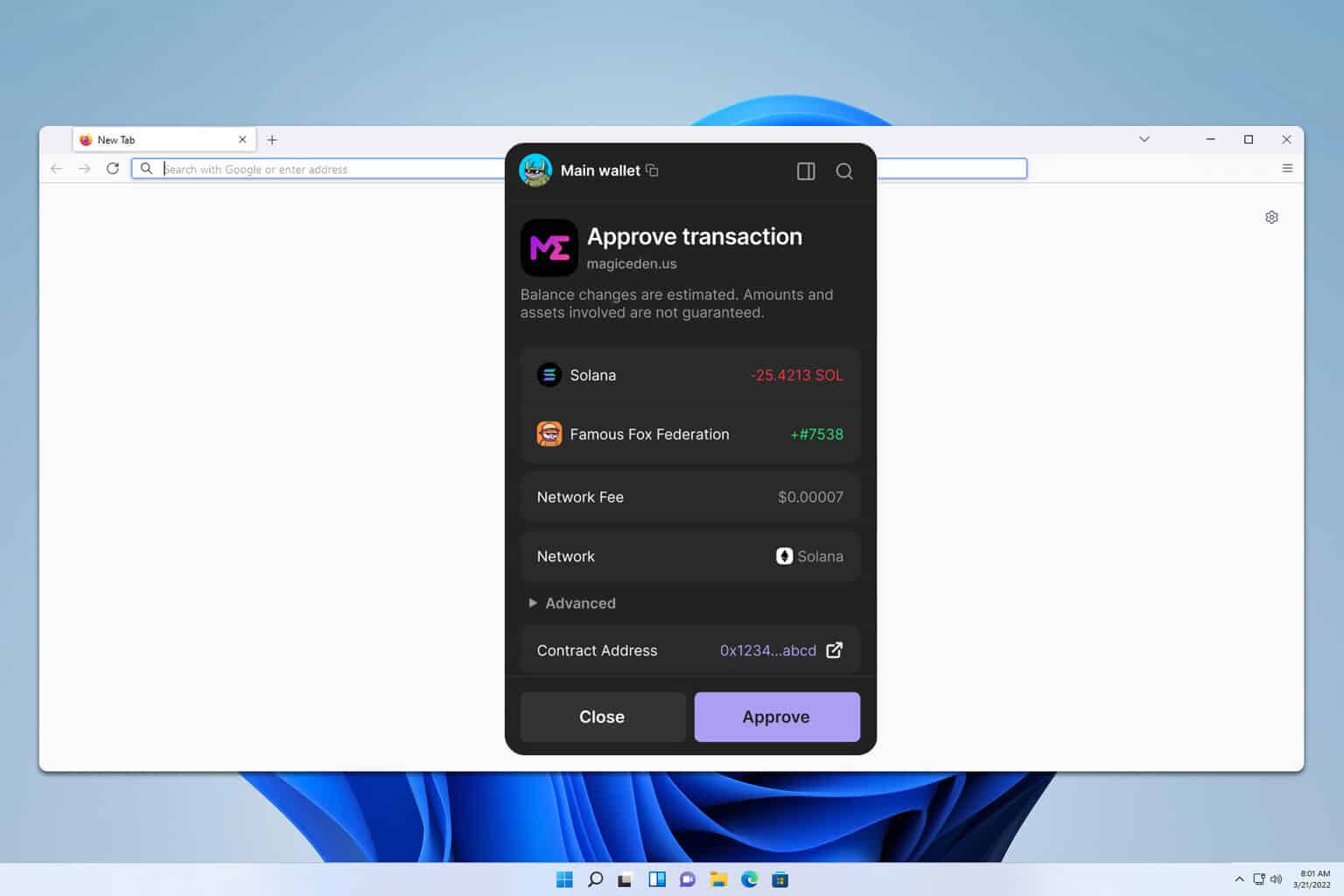
Here’s what I look for, in order of importance: speed, clarity of permissions, wallet recoverability, and ecosystem integrations. Phantom nails most of these. It’s fast—transactions confirm quickly on Solana, and the extension responds without the lag you get from web-heavy wallets. The permission prompts are readable. They don’t bury “allow spending” under three screens of legalese. That kind of clarity prevents accidental approvals.
My instinct said “watch out for hidden approvals,” and Phantom’s UI makes those approvals explicit. Initially I thought every extension would do that, but nope—some still show vague notices that leave you guessing. So I started testing approvals before I trusted any wallet for DeFi.
Okay—real talk: I’m biased toward software that reduces cognitive load. I like tools that get out of my way. Phantom mostly does that. It also integrates smoothly with DeFi dapps on Solana and displays NFTs without weird workarounds, which is nice if you spend any time in that corner of the ecosystem.
Security—how Phantom balances ease and safety
I’m not a fan of hand-wavy claims. So here’s the meat: Phantom stores your seed locally in the extension (encrypted), offers password protection, and supports Ledger hardware for those who want the extra layer. On one hand, an extension is always a bigger attack surface than cold storage. Though actually, wait—using only cold storage for frequent interactions is impractical for most people. So for everyday access, a hardened extension plus hardware support hits a practical balance.
One thing that bugs me is when extensions request wide-ranging permissions for no clear reason. Phantom tends to be specific: sign this transaction, approve this dapp. That specificity matters. Also, revoking dapp permissions is possible, though you should audit connected apps periodically (oh, and by the way—clear browser cache and be careful with unknown plugins).
DeFi behavior and real-world testing
I used Phantom while interacting with common Solana DeFi primitives and a few NFT marketplaces. Transactions were predictable and cost-effective, thanks to Solana’s low fees. When a dapp asked to spend tokens, Phantom prompted me with the exact token and amount. That detail saved me from a couple of sloppy approvals when I was testing smart contracts from lesser-known teams.
Initially I expected glitches during peak network times. Surprisingly, the extension and backend handled short congestion periods without collapsing—though there were moments where retries were necessary. So yeah, it’s not flawless, but it’s pragmatic and resilient.
If you want to try it, the official extension is easy to find. For a straightforward install and entry-level walkthrough, check out phantom wallet. That link will take you to a download guide that’s useful for new users and gives the extension installs I trust for common browsers.
Common pitfalls and how to avoid them
1) Relying on auto-approvals. Don’t. Double-check approvals, especially for token allowances.
2) Using a single seed without backup. Back up your seed phrase offline, preferably in multiple secure locations.
3) Installing clones. Only install from official sources or verified stores. Scammers spin up look-alike extensions fast.
I’ll be honest: some parts of the onboarding could be friendlier—especially explaining token approvals in plain English across the UI. That part bugs me. But I also appreciate that Phantom keeps evolving, and the devs respond to major UX concerns faster than a lot of smaller teams.
FAQ
Is a browser extension safe enough for DeFi?
For frequent DeFi interactions, a reputable extension with hardware wallet support gives you a good balance. For long-term storage, prefer hardware or cold storage. Use strong passwords, backup your seed, and audit connected apps.
Can Phantom connect to Ledger?
Yes. If you want extra security for signing while keeping the extension convenience, pair Phantom with a Ledger device. That way, approvals still happen on your hardware device.
What about NFTs—does Phantom display them?
Yes. Phantom shows NFTs in your wallet view and integrates with many marketplaces on Solana. Rendering and metadata depend on the collection’s standards, but for mainstream collections it works smoothly.
Wrapping up: I like tools that save me time and reduce mistakes. Phantom, as a Solana browser extension, does that well for daily use. It’s not perfect—no wallet is—but it’s practical, integrates with the Solana app ecosystem, and gives you options if you decide to step up security with hardware. Try it cautiously, back up your seed, and keep an eye on connected apps. You’ll thank yourself later.